Introducing amachi. + Releases from Taiga Takahashi T.T
This week, we are pleased to introduce amachi. to the United States via Division Road, bringing the work of designer Amachi Yoshimoto from a forested design studio in the foothills of Nagano Prefecture into our world of artisan goods, advanced craft, and heirloom style. Alongside this landmark debut comes another astounding release from Taiga Takahashi T.T, a designer brand equally devoted to archival study, rare fabric development, natural dyeing, and the transformation of historical forms into future artifacts. Both amachi. and T.T operate through a distinctly Japanese balance of simplicity and complexity, where nature, time, and human use are not references applied to the garment but forces built into how each piece is conceived, made, and meant to evolve. Together, this assembly presents garments made to be secured as grails, worn into a rich character, and carried forward as artifacts shaped by the wearer's life.

amachi.
At the intersection of art and garment, amachi. tells a story of land, memory, and material transformation through each collection. Designer Amachi Yoshimoto was born in a remote artisan community in far northern California, unofficially known as Elk Valley, where his early childhood unfolded in a natural environment without electricity or gas, rich in artistic inspiration. After a nomadic youth, Yoshimoto gained experience in the garment trade and at fashion houses before founding amachi. Rooted in traditional Japanese garment construction, amachi. creates wearable works that feel less like seasonal fashion and more like living records of environment and experience. This collection considers the garment as something spoken by the natural world, then gathers evidence of the wearer’s life.


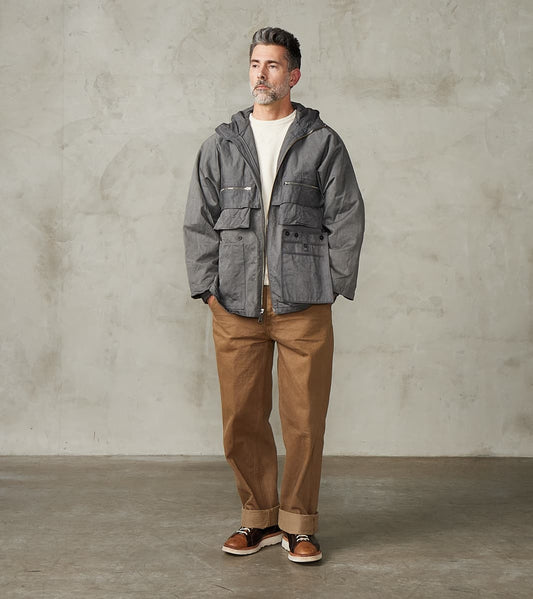
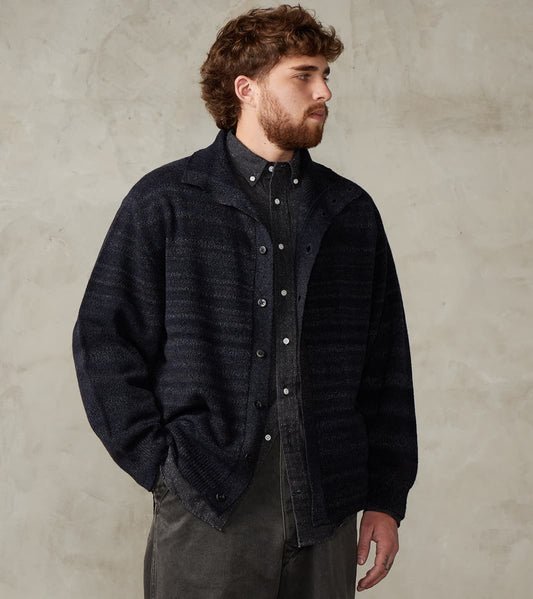
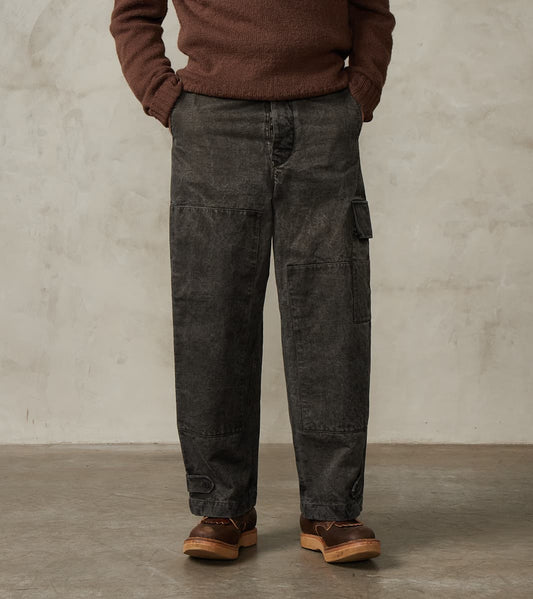
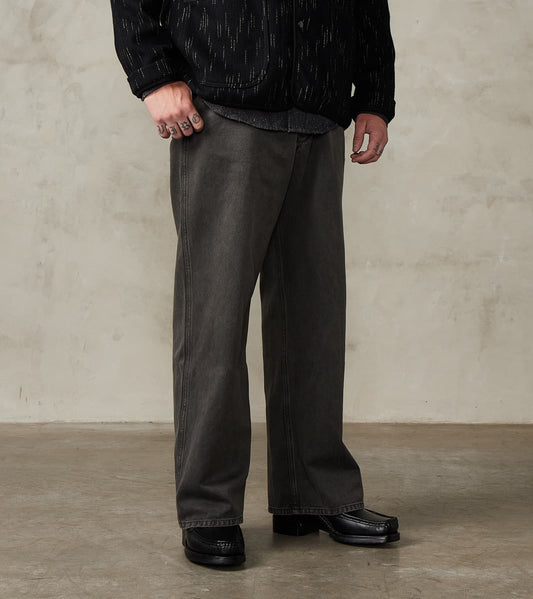
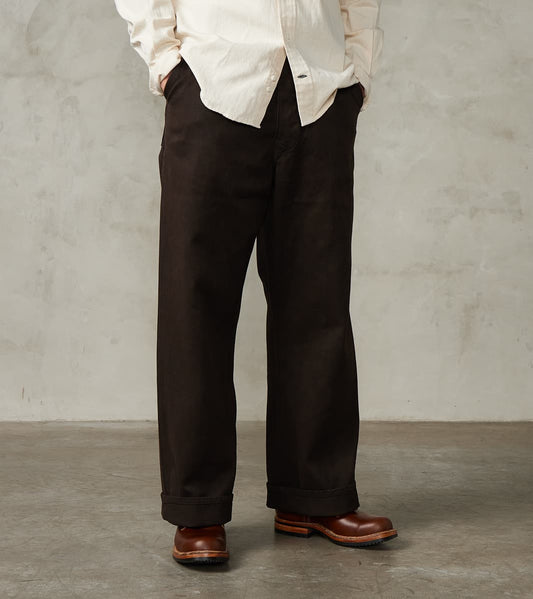
The Dorozome mud-dyed workwear pieces bring that concept into functional form through the Double Layer Work Jacket and Double Knee Cargo Pants, both crafted from 14 oz. Japanese High-Density Supima Cotton Chino Twill and dyed in the iron-rich soil baths of Amami Oshima using Shii Chinquapin tree extracts or Sumi ink derived from natural charcoal. These utilitarian pieces draw on vintage forestry, military, and workwear references yet are anatomically designed for movement, endurance, and transformation. In contrast, the Gradation Cardigan and Crewneck craft art into a garment through hand-knit tubular construction, natural sheer-dyed lambswool, and irregular patterning that quietly suggest repair, sediment, and the passage of time. As a debut, amachi. presents a future world through ancient methods, creating garments that age with the wearer and mirror life through fabric, form, and enduring force.

Taiga Takahashi T.T
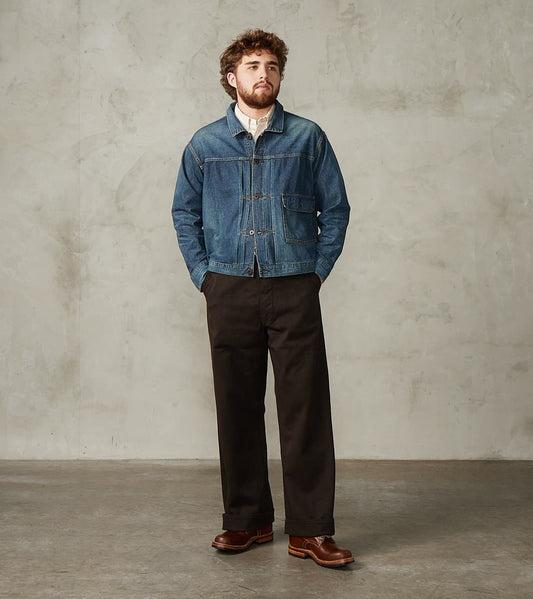
Continuing the Applied Archaeology project, T.T garments resurrect archival silhouettes through exacting fabric development, natural dyeing, and hand-guided finishing. This release presents a vivid contrast of forms that embodies T.T’s central proposition: the past is not a costume to replicate but a material record to study, refine, and reactivate through precision. The Damaged Indigo Lot. 720 Jacket and Lot. 721 Trousers use T.T’s custom selvedge denims, vintage shuttle-loomed in Okayama with period-minded yarn tinting, left-hand twill structures, natural cores, and hand-distressed finishing that replicates decades of authentic wear in artistic form.


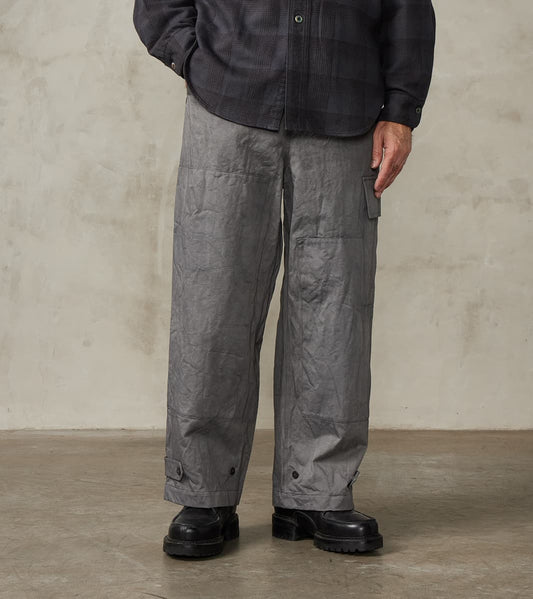
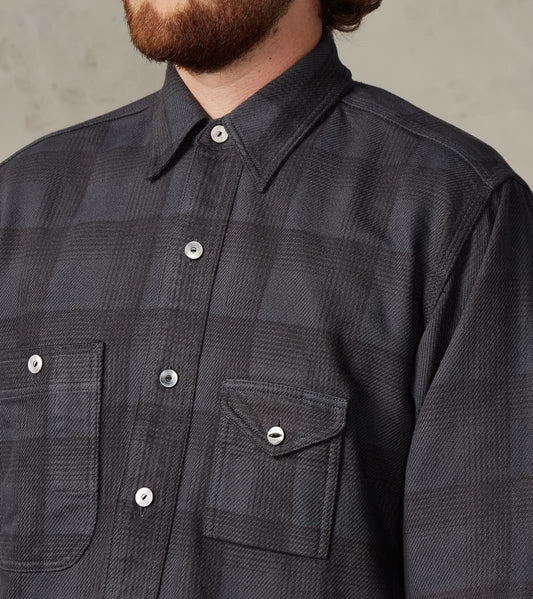
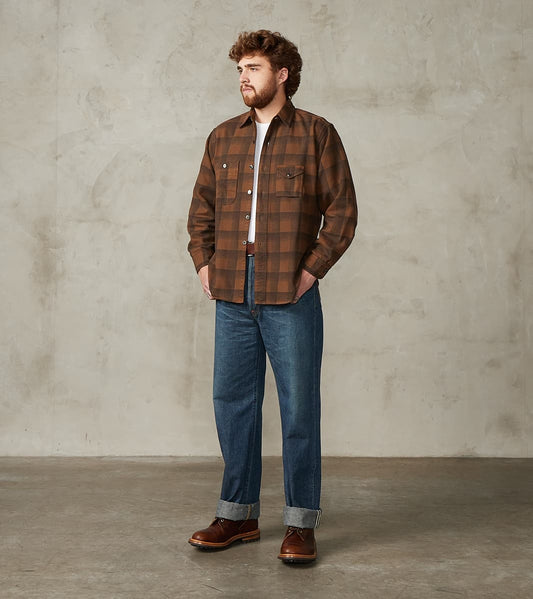
The Lot. 111 Work Shirts — inspired by 1930s workwear, Civilian Conservation Corps uniforms, and railroad engineer pocketing — use an exclusive twill flannel made with deeply dyed yarns, garment dyeing, and face printing to create irregular checks that will continue to evolve with use. The Lot. 223 British Work Trousers shift the story into naturally dyed utility, with 13 oz. Supima cotton chino cloth garment-dyed in Amami Oshima with Sumi ink derived from charcoal or Dorozome mud dye using all-natural Hawthorne tree extracts. T.T remains one of the most compelling designer brands in our world because each garment feels both unearthed and newly created: an artifact of the future built from the discipline of the past.