Introducing East Harbour Surplus + Collaborations with Freenote Cloth & White’s
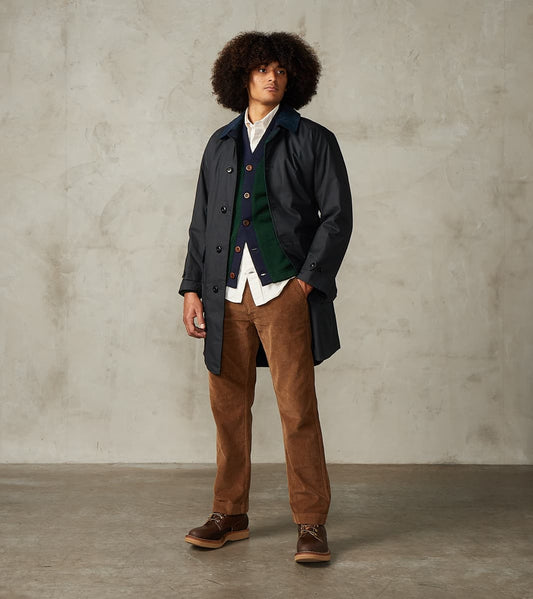
This week, we have a release that amplifies the dialogue of Menswear 2.0, with an unequivocal plus (+). We bring you East Harbour Surplus, launched in 2008 at the epicenter of the original heritage revival menswear scene, which had drifted into the shadows, to reemerge spectacularly refined, current, and even better designed and crafted. This collection represents a pivotal era and offers a comprehensive examination of the resurgence of quality menswear in the West several decades ago. To enhance this story of evolving workwear, we feature our specially sourced woolen Benson collaborations with Freenote Cloth, utilizing our favorite Shetland Estate Tweed article from Abraham Moon® for a memorable, limited-edition piece—perfect for anyone with a discerning eye. To ground the collection in artisan-crafted wardrobe essentials and ensemble footwear foundations, we present our Division Road MPM1 collaboration with White’s in the classic, tried-and-true Chromexcel. Drawing on the experiences of those who have navigated fashion cycles, wardrobe building, and editing, as well as various eras of menswear, we curate a selection of pieces that we love, would own, and treasure for years.

Freenote Cloth x Division Road
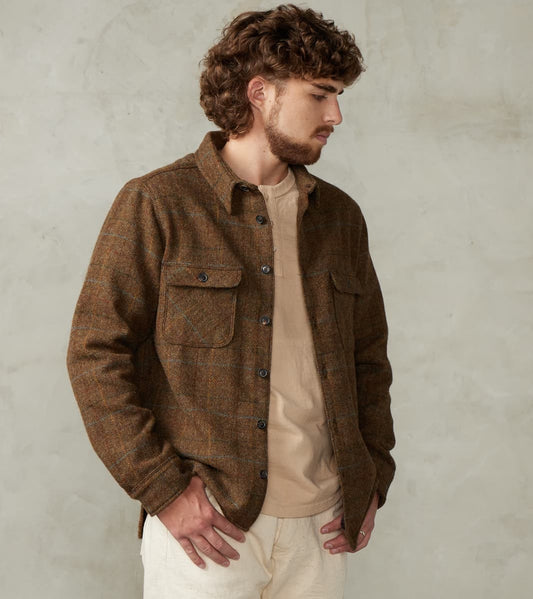
Combining Freenote’s propensity to refine the classics with their high-level perspective on craft and design, along with our need to source the best cloths available—typically reserved for custom tailoring or traditional menswear brands—we present our new Benson collaborations. This includes the Abraham Moon® Shetland Estate Tweed, made from local British wool spun into a Kilcarra slub yarn and loomed as a traditional plain weave. It features a deep color character, a textured soft hand, and durability suited for countryside and workwear conditions.


Dating back to 1837, and one of the few remaining vertical mills in the UK, Moon produces some of the finest woolens, with all processes from raw materials to finishing done in-house. In richly complex tweeds with a simple Windowpane Check pattern, the Olive has a chestnut brown base with rust, blue, gold, and black accents, while the Navy features an indigo-blue base with blue, lime, espresso, and black accents.


Reflecting quality through sophistication rather than formality, this version of the Benson offers full shirt-to-overshirt versatility with a Japanese cotton/rayon blend and satin-lined yoke and sleeves, resulting in a fully finished garment made entirely of natural materials. Designed to be worn with a tee after those epic wave adventures, exploring the forest for foraged treasures, or simply enjoying crisp fall evenings with a cup of coffee or a glass of burgundy, this Benson suits any lifestyle of those who collect elite goods.

White’s x Division Road
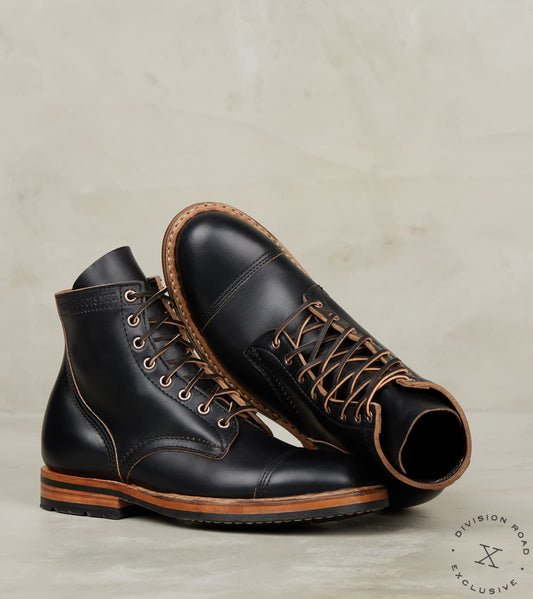
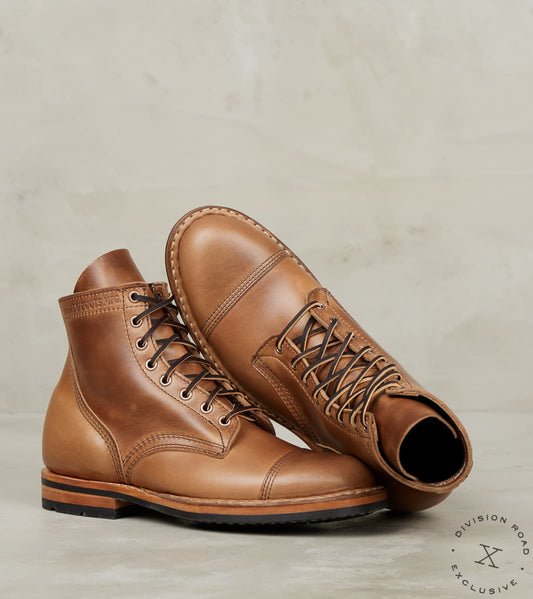
Advancing our collection of Division Road White’s that showcase our refinement of their hand-welted stitchdown construction, we present our MPM1 configuration in signature Horween Chromexcels. These two MPM1 variants honor White’s Boots’ craftsmanship heritage and highlight the timeless appeal of Chromexcel leather in contrasting expressions—one polished and formal, the other warm and evolving. True to our collaborative approach, these styles are the result of meticulous design development, material selection, and artisan construction.


The Black CXL MPM1 features a grain-struck dye and natural core to deliver subtle color shifts in a sleek design that highlights Chromexcel’s pull-up, finish, flexibility, and all-day durability. The Natural CXL MPM1 displays the raw, warm tones of undyed Chromexcel leather, offering a lighter, more organic aesthetic that provides endless styling options and character that will deepen with age.


Whether you’re drawn to the refined urban presence of Black CXL or the evolving patina of Natural CXL, these makeups are ready to enhance your rotation with character and craft. Using the MP Last in an E Width, these MPM1s have shared specifications of a triple-stitched cap toe, a single continuous heel counter, oxidized eyelets, and a Natural CXL hand welt to match a natural leather midsole atop a Vibram 430 Mini Lug sole, giving a commanding, casual vibe to this modern classic with a sleek profile and design.

East Harbour Surplus
After 2008, and the onset of the Great Financial Crisis, consumers who had previously spent with semi-wild abandon, based on home investments linked to creative financing, speculation, and lower interest rates, had to adjust their habits. Lavish, impulsive purchases became more deliberate, and consumers continued to stretch their spending. Instead of multiple trendy, branded, or cheap pieces, they preferred one high-quality, unique item with historical significance. Everyone began to look beyond the usual status-symbol "luxury” fashion brands. This shift, along with a return to traditional career paths, the end of teenage or tacky dressing, the rise of smart casual style, a craving for nostalgia, and the advent of Tumblr and blogging, changed the landscape. An educated and creative class entered the worst job market since the Great Depression, which lasted for years.


Over time, with money to spend and a desire to be creative, instructive, and admired, many young to mid-life men and sometimes women threw themselves into #menswear that celebrated a classic aesthetic, tailored for a new generation seeking layered looks. Selvedge denim, tailored fits, patterns, archival inspirations, historical references, and workwear basics all gained cult followings on city and suburban streets as well as in the trenches of Tumblr, WordPress, and the pre-Reddit forums of Superfuture and Styleforum. This renewal was a global phenomenon driven by e-curation rather than today’s e-commerce. Whether it was Americana, French workwear, Italian tailoring, or the English countryside gent, some brands captured influences of this #menswear movement better than most.

East Harbour Surplus was a major influence on everything from style to form to quality in men’s fashion. Fabrizio Vanni from Florence, Italy, teamed up with Han Taemin from South Korea. Combining Western, work, military, and countryside attire into the draped styles explored in Japan and Korea created a unique concept. From the beginning, East Harbour Surplus aimed to use Italian fabrics and workshops, always representing a forward-thinking vision rooted in tradition, built to last with excellent craftsmanship, and accessible in both price and style. They exemplified top-tier Italian brands that became iconic of the era, offering vintage-inspired styles in new ways and dominating the Pitti shows, especially as street photography grew popular through online media. As menswear evolved, the heritage niche became saturated, and with the economy rising, tastes and preferences shifted back to a market devoid of quality and consciousness.


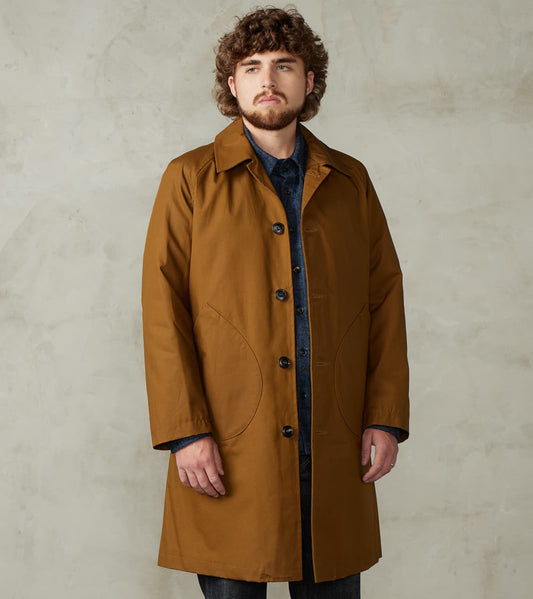
East Harbour Surplus and a few others faded into the shadows. But with menswear 2.0, they have returned stronger than ever. Fabrizio has maintained his approach of drawing inspiration from military uniforms and classic workwear, with the belief that each piece should be crafted with attention to detail and tested materials to ensure longevity and style versatility for those who value heritage and contemporary wearability. With a collection of essential outerwear staples and some of the best chinos on the market, we're proud to present East Harbour Surplus as a key example of evolving past eras to create products that surpass their former selves.